GwenOffice Manager

Appointments
You get time to talk through what’s going on, what you want help with, and what comes next.
Start with a free callStart here
Tell us what’s going on, and we’ll help you figure out the next step. It’s a quick call with our office team, not a clinical visit.
Choose a timeNo pressure. No commitment. Just a real answer about whether we think we can help.

Most info calls are with Gwen, our office manager. Depending on availability, you may also hear from Quinn.
How it goes
Nobody's watching a clipboard countdown or eyeballing the clock at minute eight, and nobody's handing you a script before we actually know what's going on with you.
Tell us what’s actually going on. A clinician reads it, we sort out fit, and the office sends your portal setup and next steps.
You get forty five to sixty minutes. You talk first, and we listen for the through line instead of cramming symptoms into a code.
We name what we think is going on, lay out the options, and tell you what we’d try first. You get to push back.
Usually twenty to thirty minutes. We check what changed, adjust what needs adjusting, and book the next visit when it adds value.
What this is like
The first visit
A real visit, not a fifteen minute conveyor.
Forty five to sixty minutes, and we use the whole thing, not the fifteen minute med refill most clinics have settled into. The first stretch is mostly you talking, and we're listening for the through line, not just symptoms to plug into a diagnostic code.

In the chair
Unhurried, and on your side.
On video or in person
Across Oregon and Washington.
A real next step
We start by understanding what you're looking for, then get you to the right next step.
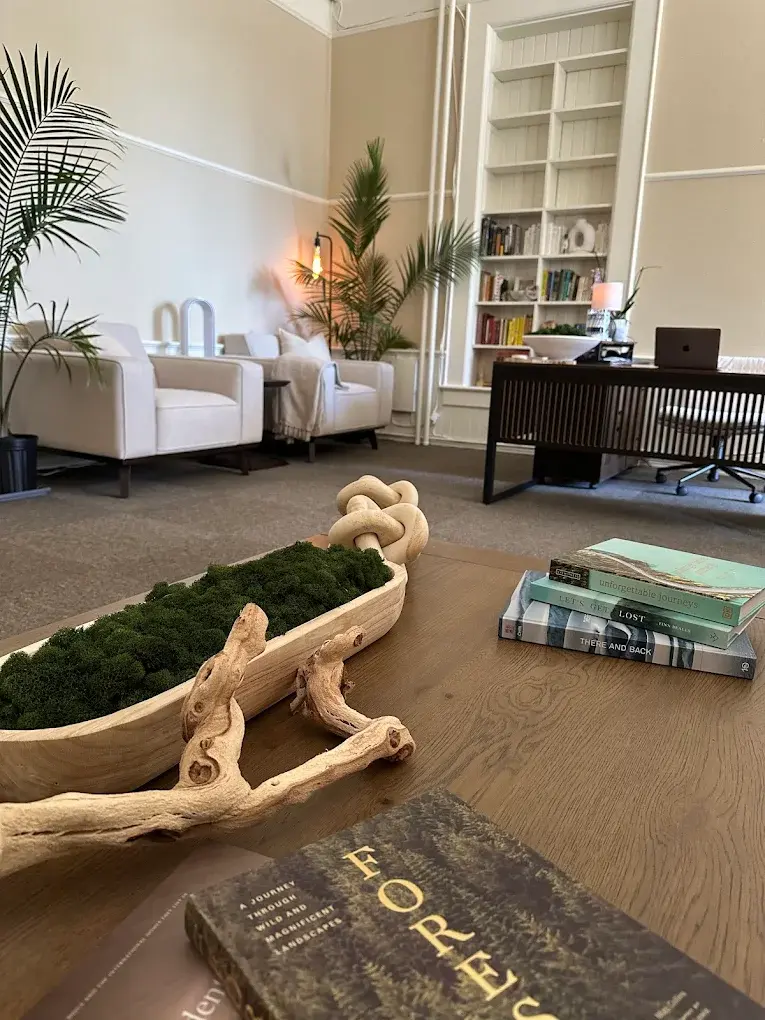
The room itself
Built to feel calm, not clinical.
The whole picture
We ask about sleep, alcohol, the job, the relationships, the history. None of that's filler, the answer rarely lives in one check-box.

Before you walk in
Bring the questions you actually want answered.
You leave knowing
A plan you got a say in.
What we think is going on, what the options are, the recommended starting point and why, and what the next step looks like.
Most intakes happen online. That's intentional. The first visit is a chance for both of us to figure out whether we're a good fit, without asking you to come into the office before we know we're going to work together. If we decide to move forward, in person can be an option. Just ask. Before the intake, we'll build your LiveWell PHR profile and send you a link to sign in for the first time. Create your portal login from that link, then use the same login in the app. That's the quickest, safest, easiest way to get to your appointment. Open the app, tap the appointment button, and you're in. The forms take about fifteen to twenty minutes to complete, and they cover the basics... demographics, medical and psychiatric history, current symptoms, family history, current meds and supplements, allergies, and so on. The more honest and complete those answers are, the better the first visit goes, because we're not spending the first twenty minutes pulling the basics out of you in real time.
The medication list is the one piece people most often skip or eyeball, and it matters more than it looks. We need the actual drug names and the actual doses, including over the counter stuff, supplements, and anything you take occasionally instead of daily. A lot of psychiatric medication decisions hinge on interactions, and we'd rather know up front than catch it later.
It's also worth taking ten minutes the day before the visit and writing down the actual questions you want answers to. What's going on with me, what are the options, what do you think about this medication my last provider mentioned, is this the right diagnosis, what'd you do in my situation. Bring that list. We'll work through it. People who walk in with a list end up using their appointment time much better than people who try to remember everything in the moment.
Bring this with you
After you leave
Your LiveWell PHR is where the visit notes live, along with prescription history, labs, secure messaging, and your appointment details. The app's the quickest, safest, easiest way to get where you need to go. Open it and tap the appointment button instead of digging through email for a link. Everything stays in one place, so you're not chasing a fax or phone call when you need a record.
Some meds, especially controlled meds, mean we need to see you on a regular schedule. Outside of those requirements, we don't add visits just to keep billing moving.
Between visit messaging through the portal is part of how this works, not an inconvenience. If a side effect is worrying you, if a dose feels off, if something changed that we should know about before the next scheduled visit, that's exactly what the portal is for. Messages go to the actual clinician on your case. We usually reply the same day during business hours. If we’re backed up, give us a couple days.
On video
Telehealth is available across Oregon and Washington, which are the two states where the clinic is licensed. You've got to be physically located in one of those states at the time of the visit, which is a licensing rule and not a clinic policy. If you're traveling out of state on the day of a scheduled visit, we'll reschedule, and that's worth flagging when you book if you know your schedule is going to be in flux.
On the tech side, what you need is a private space where you can talk without being overheard, a halfway decent internet connection, and a device with a working camera and microphone. Phone, laptop, tablet, any of those work. We'll build your LiveWell PHR profile and send a first-time sign-in link. After you create your portal login, use that same login in the app, then tap the appointment button. No link hunting after the first sign-in. Tech support is available if something glitches.
Telehealth works well for a lot of what we treat, but it isn't identical to being in the room. Some people connect more easily in person and find it easier to build a relationship that way. Others prefer video because it cuts the commute, the parking, and the time off work.
We can't do an in-person physical exam through a screen, and if your situation needs an in-person visit, we'll say so.
The fine print
If you need to cancel or reschedule, the request is forty eight hours of notice. That window exists because the appointment slots are long, and a same-day cancellation usually can't be backfilled, which means somebody on the waiting list who needed care didn't get to use that slot either.
Cancellations inside forty eight hours, or no-shows, are subject to a fee. The exact amount depends on the appointment type, and it's spelled out in the intake paperwork so there are no surprises. Insurance doesn't cover this fee... that's a policy across the industry, not a quirk of the clinic.
The policy isn't about catching people, it's about keeping a small clinic functional, and our office team can be reasonable about real emergencies.
Still, shit happens. Kids get sick, cars break down, work runs over, you get a stomach bug at 3am. If something like that comes up, just tell us, and we'll work it out.
Send a note. A clinician reads it and usually replies the same day if you reach out during business hours. If we’re backed up, give us a couple days.
Paying out of pocket
These are our own flat rates, and you always know the number before the visit. Using insurance instead? We take most major plans, the details are on the insurance page.